
 NATURE DEFINE

A University of Tokyo startup
Measuring nature,from the ground up.
ND-BioScore — quantitative biodiversity assessment service
Full release: December 2026
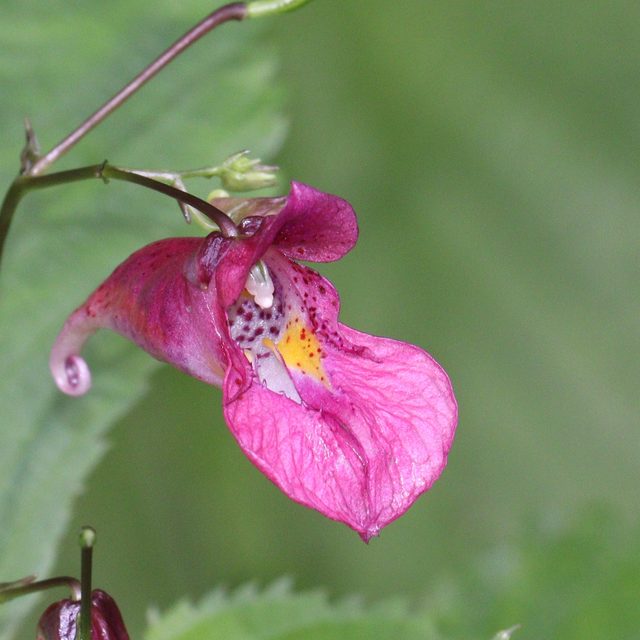
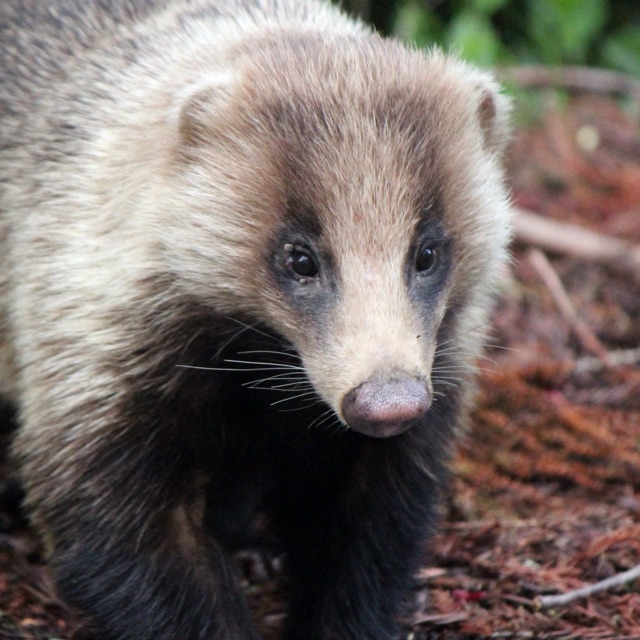
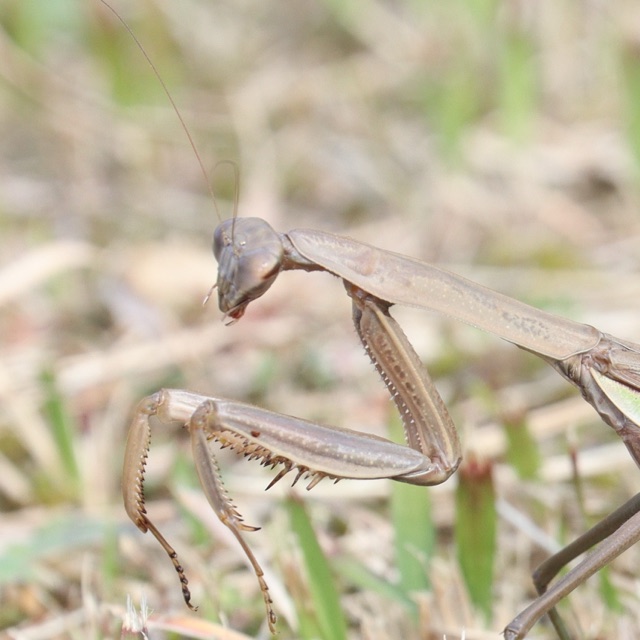
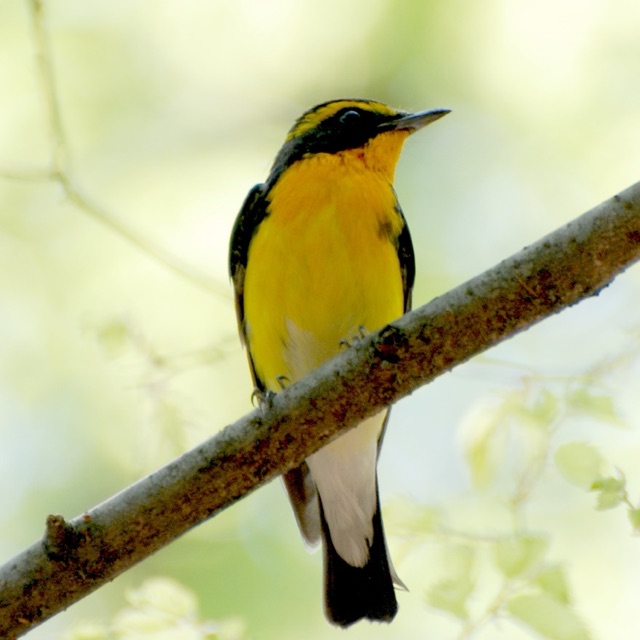
Species detection
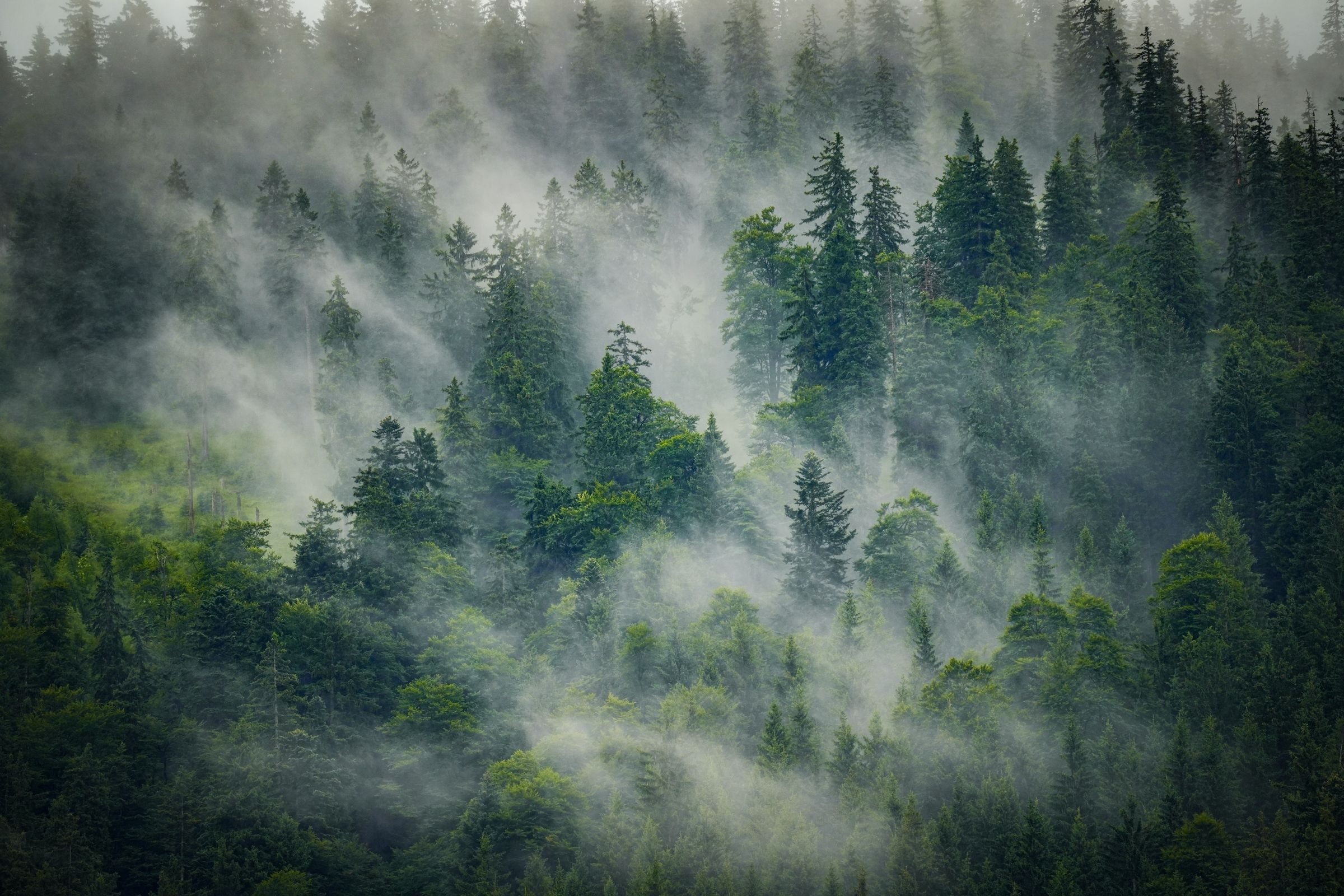
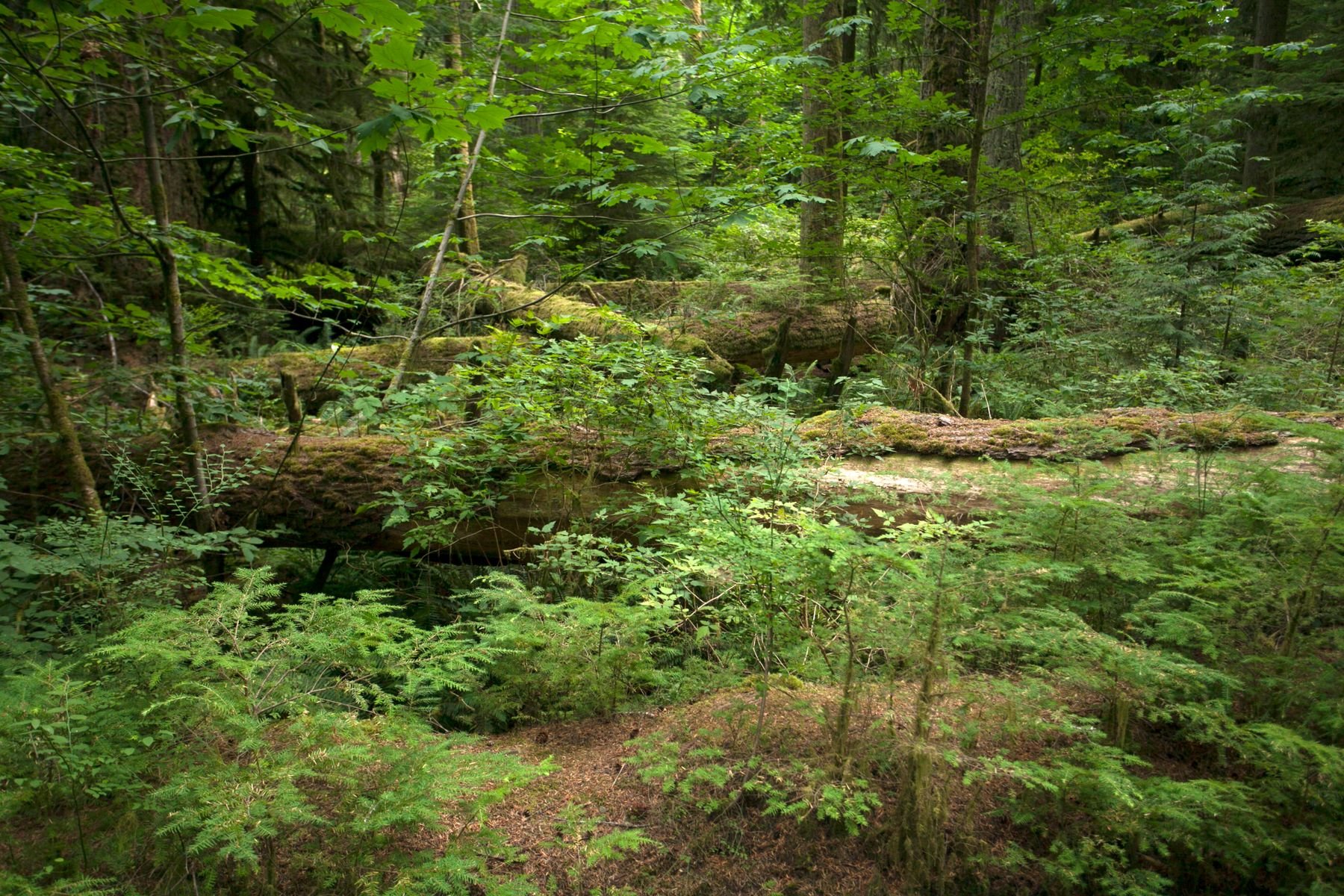
What lives
in this forest?
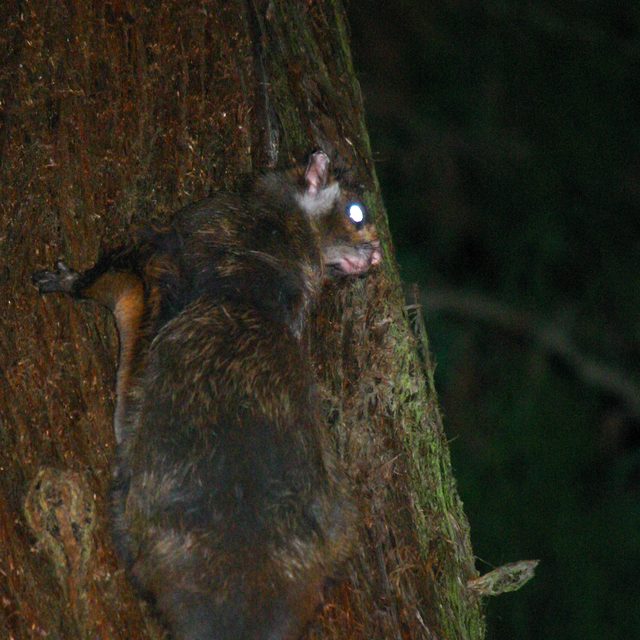
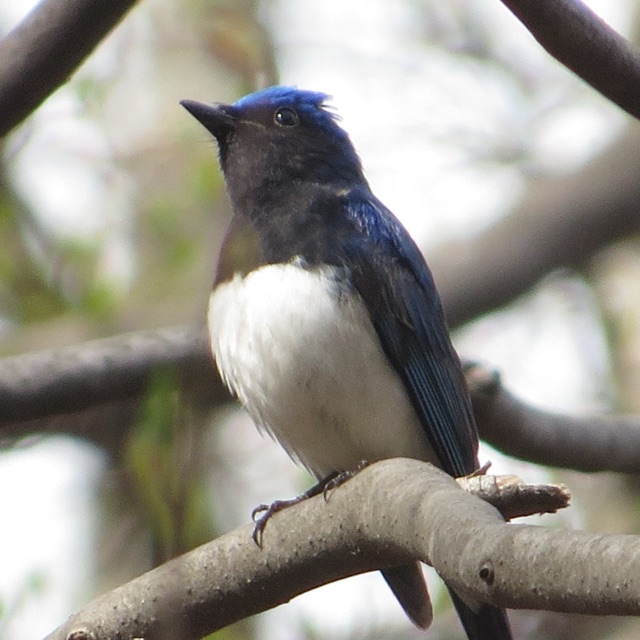
Birds begin to sing before dawn. At night, badgers and flying squirrels start to move.
Diverse plants thrive underfoot, while insects shelter beneath the leaves.
Rare species and introduced species live side by side.
Even unobserved, this living world goes on.We combine the latest technologies to record it year after year, and make the value of natural capital visible.
End to end
From field data to business action,
end to end
We bring together in one service the work that, in Japan and abroad, is usually split across several specialist firms.
-
STEP 01
Field data collection
Camera traps, acoustics, eDNA and satellite imagery, combined
The first assessment in Japan to integrate all four methods*
-
STEP 02
AI analysis
AI developed for research use at the University of Tokyo
Automatic species identification from images and sound
-
STEP 03
Scoring
Four State of Nature (SoN) indicators
Shown in a clear, intuitive dashboard
-
STEP 04
Disclosure & action
For TNFD disclosure and Nature Symbiosis Sites (Japan's OECM certification scheme)
Interim and annual reports with practical conservation proposals
* “First in Japan” refers to an assessment that integrates camera traps, bioacoustics, eDNA and satellite imagery, as presented at the 5th Business Forum of the Japan Conference for the 2030 Global Biodiversity Framework (J-GBF), December 2025.
STEP 01 Field data
Collecting and integrating biodiversity data on site
Conventional approach
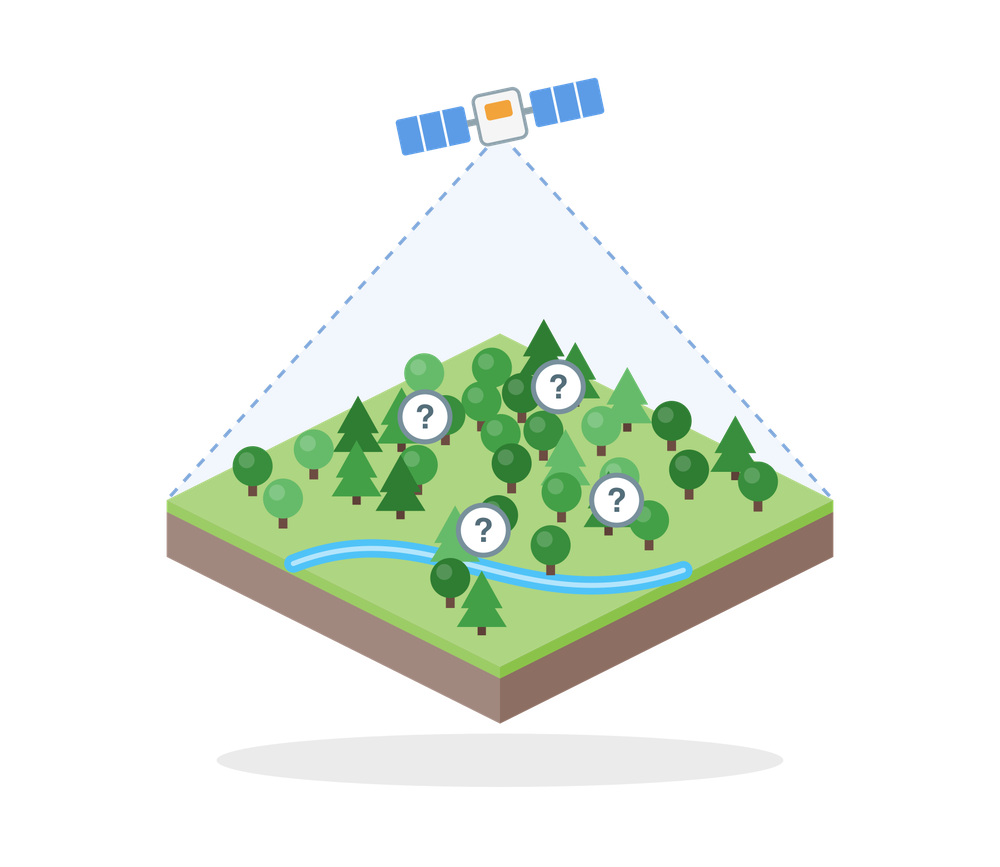
Satellite only
Maps land cover, but cannot tell
which species live there
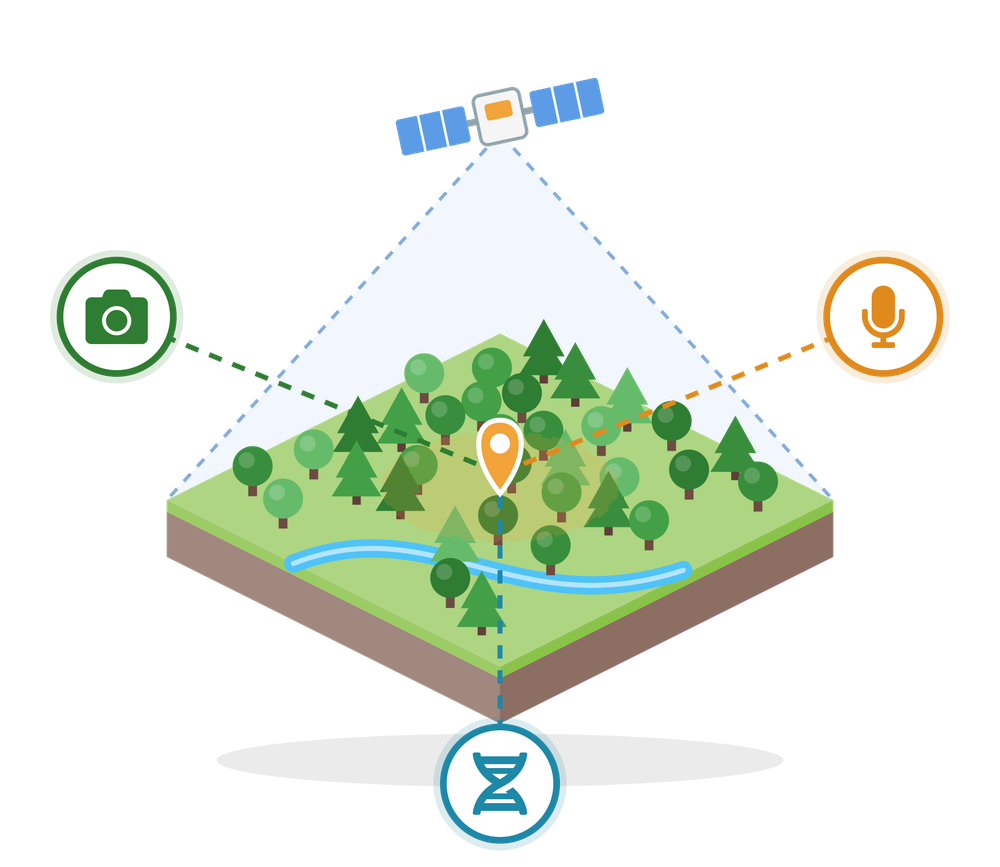
Satellite + camera, acoustics & eDNA
Records the species living on site as primary data
Standardised survey effort enables year-on-year and cross-site comparison
The three levels of granularity in the NPI measurement guidance
- preparatory
- medium
- highND-BioScore
ND-BioScore field surveys are designed in line with the requirements of the high level
Camera traps, bioacoustics and environmental DNA (eDNA) collect primary data on site, which we combine with satellite data.
Where
Ecosystem data from many kinds of land,
with minimal manual effort
From large forests to individual homes, sites of any size, from under one hectare to several hundred hectares or more, can be measured.
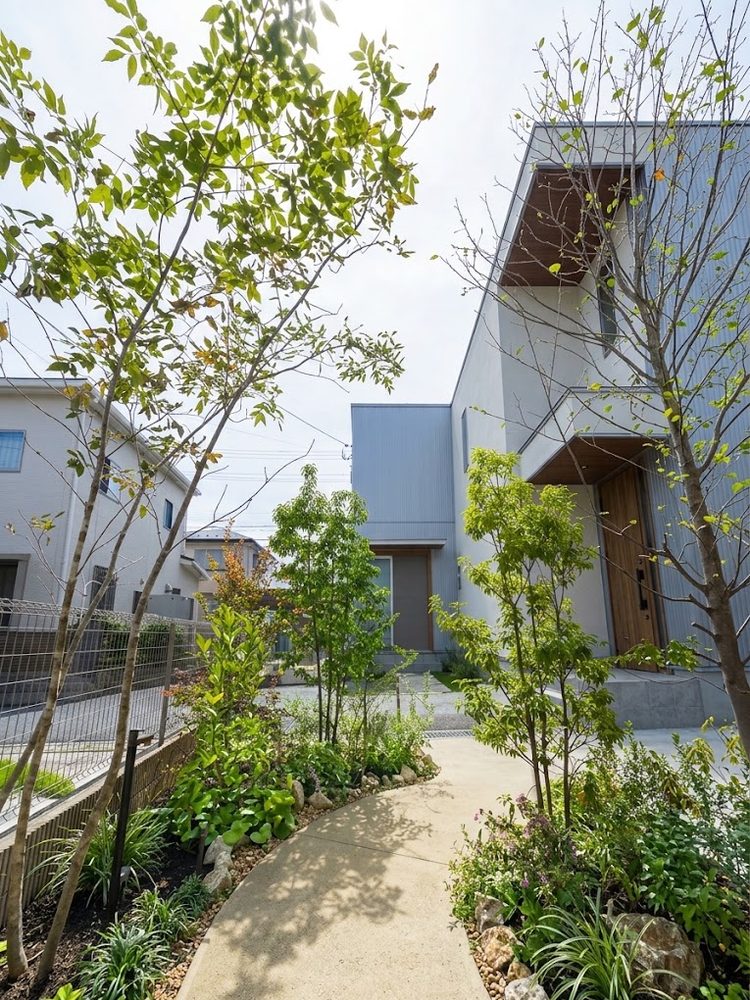
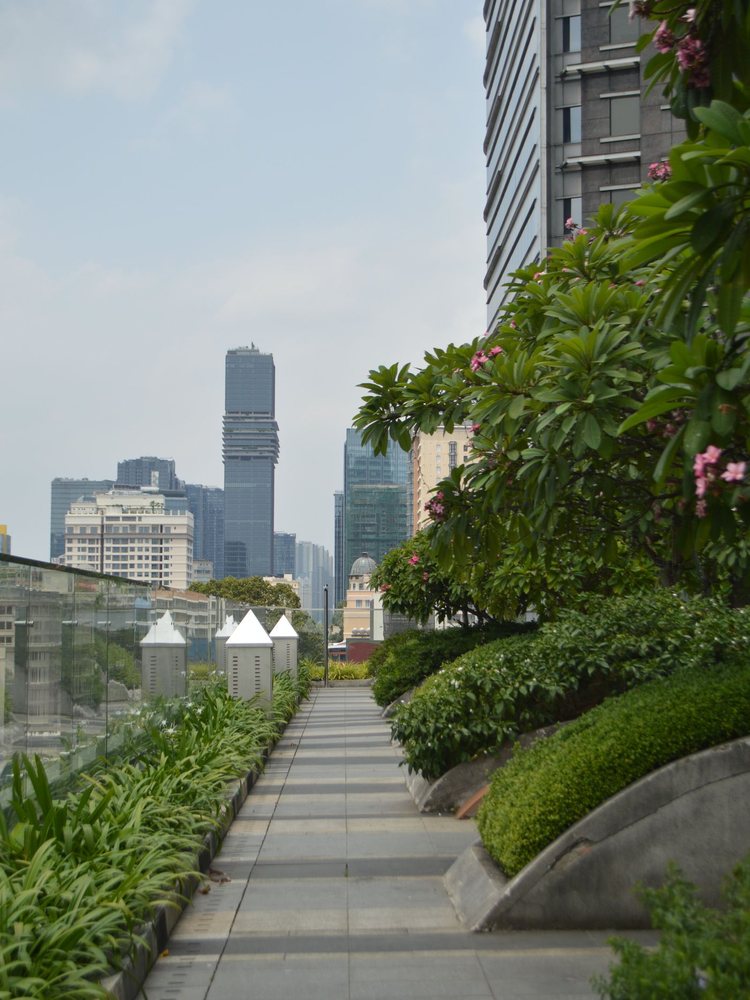
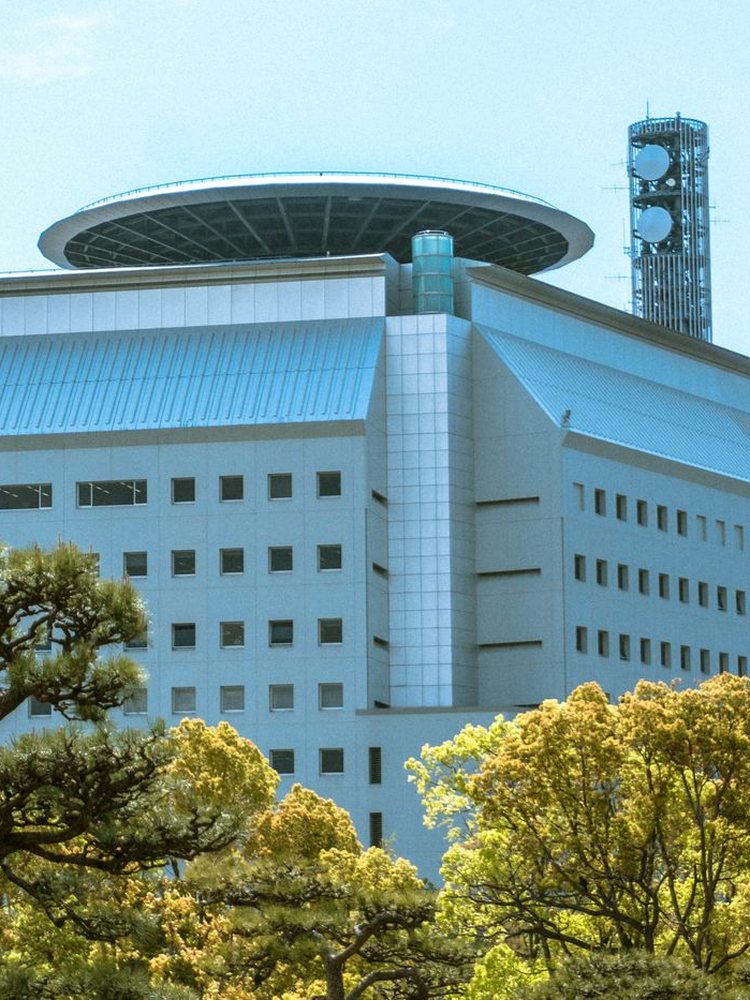
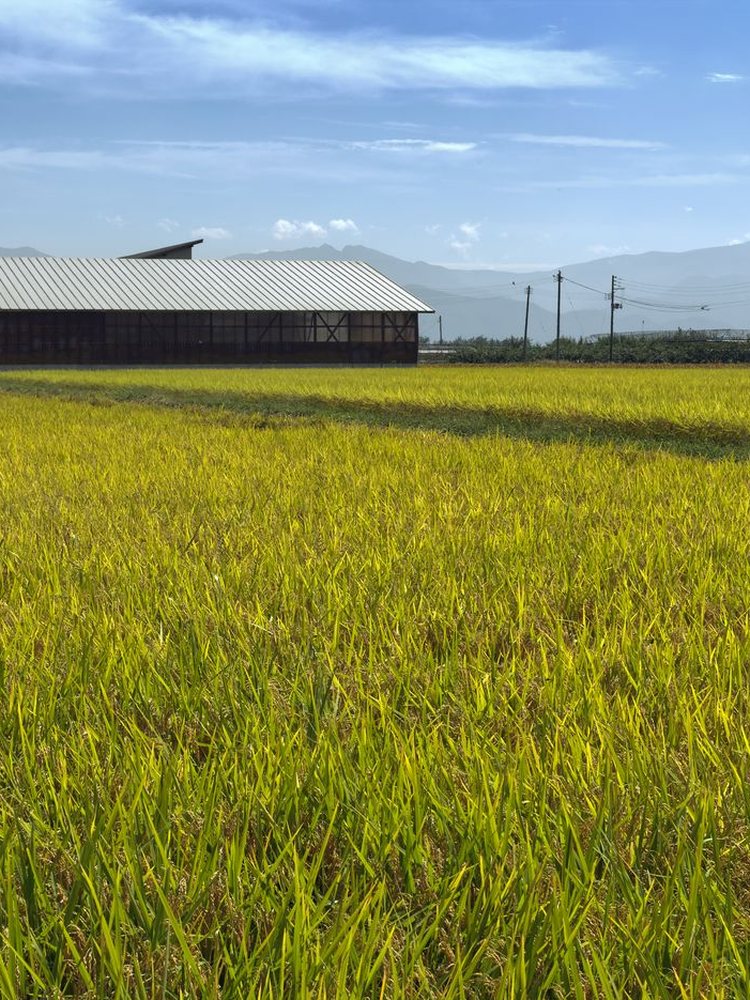
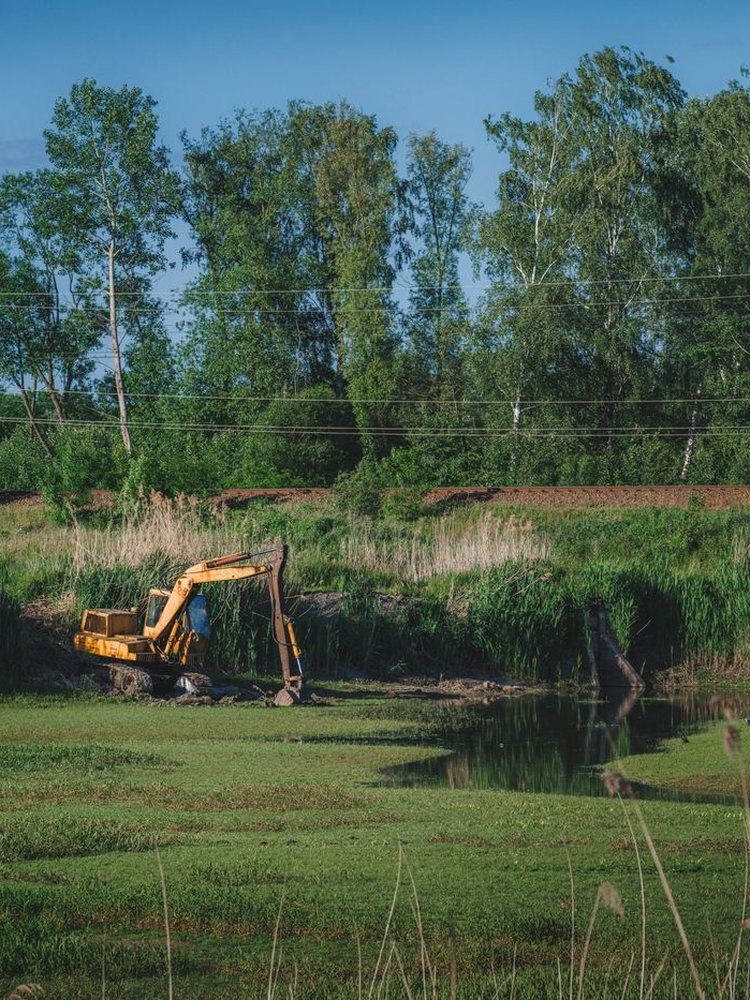
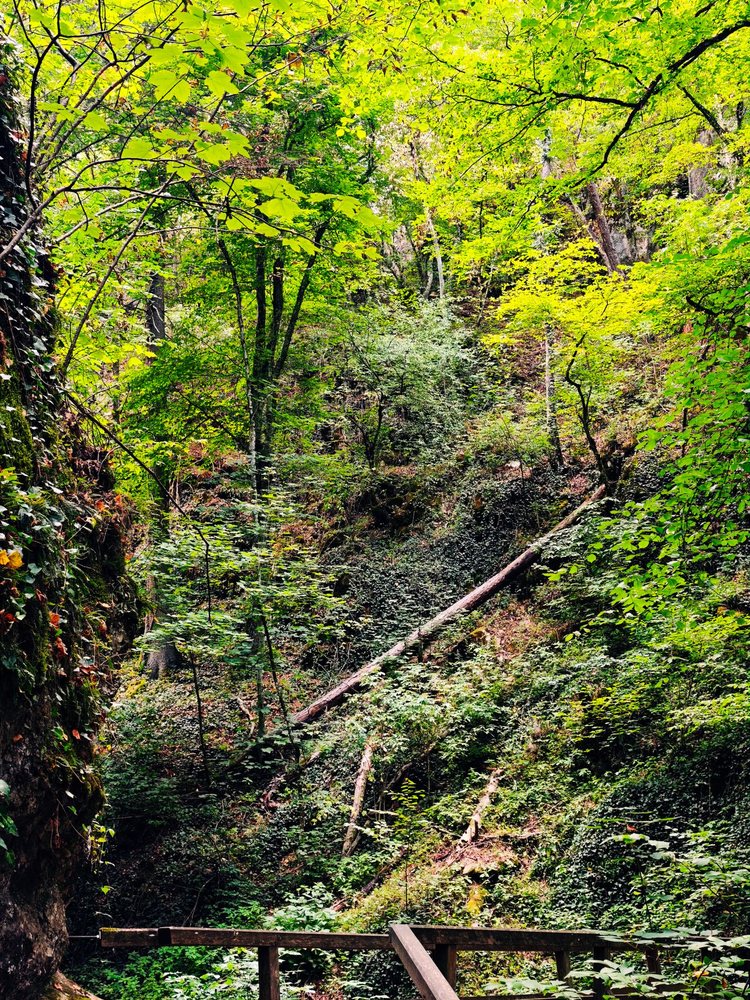
Once deployed, our sensors record continuously. From steep, hard-to-reach terrain to urban green spaces that need careful site coordination, surveys continue with fewer site visits. Data collected under the same conditions over time provides material for verifying additionality, and can support TNFD disclosure and Nature Symbiosis Site applications and monitoring.
Global
Cross-site and global
biodiversity assessment
A unified protocol — the same equipment, procedures and indicators — keeps results comparable across sites. This makes it possible to assess entire supply chains, including raw-material sourcing regions.
Operational: JapanApplicable ecosystems
Use cases
Contributions to nature,
from estimates to measured data
Certification
Nature Symbiosis Sites
From baseline assessment for the application through to post-certification monitoring
Disclosure
TNFD & disclosure
Quantitative State of Nature (SoN) data for disclosure
Risk
Site risk management
The state of nature at each site, assessed continuously to one standard
Assessment
Environmental impact assessment
Consistent baseline and post-development measurement. Also useful for obtaining and renewing green space certifications.
For whom
Turning conservation results in the field
into data for management and investors
Companies & local governments
Organisations pursuing TNFD disclosure, Nature Symbiosis Site certification, TSUNAG certification (Japan's certification scheme for urban green spaces) or more advanced environmental impact assessment
Financial institutions & investors
Institutions exploring nature-positive transition finance or financial products that build in biodiversity assessment
Government & research institutions
Teams developing methods to quantify local ecosystems or running pilots through industry–academia–government partnerships
NGOs & conservation groups
Groups seeking to show the results of long-term field conservation with data they can explain to third parties
News
News
- ConferenceParticipated in CBD COP17, the 17th meeting of the Conference of the Parties to the Convention on Biological Diversity (Armenia)
- AppointmentOur CEO served as Secretary General of the 2nd Global Nature Positive Summit in Kumamoto, held in July 2026
Philosophy
Our philosophy
- Purpose
- Protecting biodiversity is
safeguarding the future of humanity. - Vision
- In 100 years,
a natural world richer than today's. - Mission
- Measuring nature,
from the ground up.
Contact
Data solutions tailored to
your land holdings and operating sites
From Nature Symbiosis Site applications to TNFD disclosure, we provide guidance tailored to your site conditions and goals.
Contact us